Finding reliable siding installers near me means locating professionals who can assess your home’s exterior, recommend the right cladding, and complete the job on time and within budget. The quickest way to get a qualified team is to start with local reviews, verify licenses, and request detailed estimates that break down labor, materials, and any preparation work. This approach not only saves money but also ensures the finished façade protects your house against weather, improves energy efficiency, and boosts curb appeal. For a deeper dive into evaluating top providers, see our guide on how to choose the best siding companies in 2026.
Why Local Siding Contractors Matter
Choosing a contractor who lives and works in your area brings several advantages. First, local installers are familiar with regional climate patterns—whether you face harsh winters, heavy rain, or intense sun—so they can recommend materials that resist cracking, warping, or fading. Second, they understand municipal building codes and permit requirements, reducing the risk of costly re‑work. Finally, a nearby team can respond quickly to unexpected issues, such as water intrusion after a storm, minimizing damage to your home’s structure.
Regional Climate and Material Choice
In the Midwest, for example, the National Association of Home Builders (NAHB) reported in 2025 that 68 % of homeowners chose fiber‑cement or Hardie board siding for its durability against freeze‑thaw cycles. On the West Coast, where moisture and salt air are common, vinyl siding with UV‑stabilized polymers has become the top pick, according to a 2026 study by the Home Improvement Research Institute.
Table of Contents
- Why Local Siding Contractors Matter
- Regional Climate and Material Choice
- Cost Transparency and Installation Cost Breakdown
- Step‑by‑Step Guide to Hiring Siding Installers Near Me
- Common Pitfalls and How to Avoid Them
- Real‑World Case Study: A Suburban Family’s Experience
- Choosing the Right Material for Your Home
- Vinyl Siding
- Fiber‑Cement (Hardie Board)
- Engineered Wood
- Metal Siding
- FAQs About Finding Siding Installers Near Me
- How do I verify a contractor’s license?
- What is a typical warranty for siding installation?
- Can I install siding myself to save money?
- How long does a siding replacement take?
- Will new siding improve my home’s resale value?
- Beyond Installation: Maintenance Tips for Longevity
- Final Thoughts: Making the Right Choice
Cost Transparency and Installation Cost Breakdown
A reputable contractor will provide an itemized quote that separates material costs, labor, removal of old siding, and any necessary weather‑resistant barrier installation. In 2026, the average installation cost for vinyl siding ranged from $3.50 to $5.00 per square foot, while fiber‑cement averaged $6.00 to $8.00 per square foot, including disposal fees. Knowing these figures helps you compare quotes without getting caught off‑guard by hidden fees.
Step‑by‑Step Guide to Hiring Siding Installers Near Me
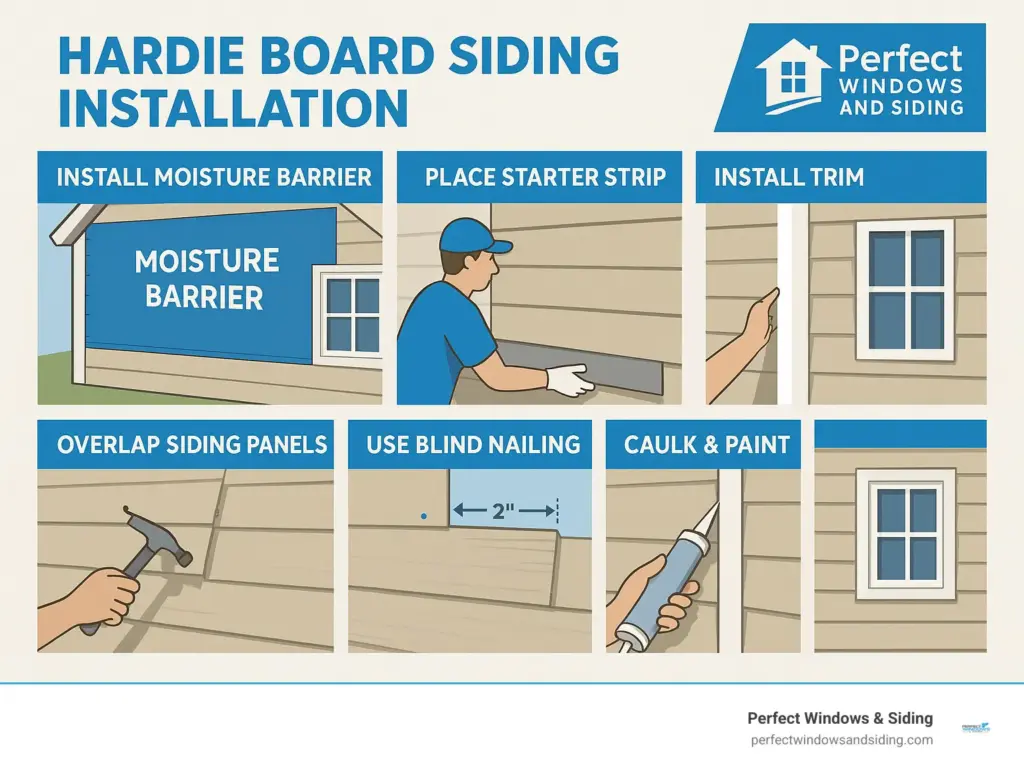
- Define Your Project Scope. Determine the square footage, the type of cladding you prefer (vinyl, fiber‑cement, wood, or metal), and any additional work such as insulation upgrades or trim replacement.
- Research Local Providers. Use Google Maps, Angie’s List, or the Better Business Bureau to compile a shortlist. Look for contractors with at least three years of experience and a portfolio of recent projects.
- Check Credentials. Verify that the installer holds a valid contractor’s license, workers’ compensation insurance, and any certifications from manufacturers (e.g., James Hardie Certified Installer).
- Request Detailed Estimates. Ask for written quotes that include a timeline, a list of materials, and a warranty statement. Compare at least three offers before deciding.
- Visit Past Projects. A trustworthy contractor will gladly arrange a site visit. Examine the workmanship, seam alignment, and how well the siding integrates with windows and doors.
- Finalize the Contract. Ensure the agreement outlines payment schedule, cleanup procedures, and a clear warranty for both labor and materials.
Common Pitfalls and How to Avoid Them
- Skipping the Pre‑Installation Inspection. Overlooking hidden damage behind old siding can lead to mold growth or structural issues later. Insist on a thorough assessment before demolition.
- Choosing the Cheapest Quote Without Verification. Low bids often hide sub‑par materials or unlicensed labor. Cross‑check the brand and grade of siding against manufacturer recommendations.
- Neglecting Proper Weather‑Resistant Barriers. A missing or incorrectly installed WRB can cause water infiltration, defeating the purpose of new siding. Ask your installer to install a breathable house wrap like Tyvek.
- Ignoring Local Building Codes. Some municipalities require a minimum R‑value for exterior insulation. Failure to comply may result in fines or the need to redo work.
Real‑World Case Study: A Suburban Family’s Experience
When the Johnson family in Madison, Wisconsin, decided to replace their aging wood siding, they began by searching “siding installers near me.” After filtering for contractors with five‑star reviews and a Hardie board certification, they selected a local firm that offered a comprehensive estimate covering removal, installation, and a 10‑year warranty.
During the project, the crew discovered moisture damage behind the original clapboards. Because the contractor had performed a pre‑installation inspection, they promptly addressed the issue with a moisture‑resistant barrier, preventing future rot. The total cost, $9,200 for 1,400 sq ft, aligned with the 2026 average for fiber‑cement siding, and the family reported a noticeable drop in heating bills—an estimated 12 % reduction, according to the Department of Energy’s 2025 residential energy report.
For more insight into why siding matters, read our article Why Siding Matters: The Core Benefits.
Choosing the Right Material for Your Home
Each siding type offers distinct benefits, and the best choice depends on your climate, budget, and aesthetic goals.
Vinyl Siding
Vinyl remains the most popular exterior cladding in the United States, thanks to its low maintenance and affordability. Modern vinyl panels feature built‑in UV inhibitors that prevent fading, and many models come with insulated backings that improve energy efficiency. Learn more about selecting the perfect vinyl system in our Vinyl Siding 2026 guide.
Fiber‑Cement (Hardie Board)
Fiber‑cement combines cement, sand, and cellulose fibers, delivering a material that resists fire, pests, and moisture. Though pricier, it mimics the look of wood without the upkeep. The 2026 Hardie Board guide details installation nuances, including the need for proper flashing around openings.
Engineered Wood
Engineered wood offers a natural wood appearance with enhanced durability. It’s a sustainable choice, as it utilizes reclaimed wood fibers. However, it requires regular sealing in high‑humidity regions.
Metal Siding
Aluminum and steel panels provide a sleek, modern look and excellent longevity. Metal is especially suited for coastal areas where salt corrosion is a concern, provided it’s properly coated.
FAQs About Finding Siding Installers Near Me
How do I verify a contractor’s license?
Visit your state’s licensing board website (e.g., National Association of State Contractors) and search using the contractor’s business name or license number.
What is a typical warranty for siding installation?
Manufacturers usually offer a 30‑ to 50‑year material warranty, while reputable installers provide a 5‑ to 10‑year labor warranty. Always get the warranty terms in writing.
Can I install siding myself to save money?
DIY installation is possible for experienced homeowners, but mistakes can void material warranties and lead to water intrusion. Professional installation ensures proper sealing, especially around windows and doors.
How long does a siding replacement take?
For an average single‑family home (1,500‑2,000 sq ft), most crews complete removal and installation within 7–10 business days, assuming no unforeseen repairs are needed.
Will new siding improve my home’s resale value?
According to a 2025 Zillow Home Value Index analysis, homes with recently updated siding sold for up to 5 % more than comparable properties without upgrades.
Beyond Installation: Maintenance Tips for Longevity
Even the best‑installed siding requires periodic care. Here are three simple practices:
- Annual Inspection. Look for cracks, loose panels, or water stains after heavy rain.
- Cleaning. Use a garden hose and mild detergent; avoid high‑pressure washers on fiber‑cement.
- Repaint or Re‑seal. For wood or engineered wood, repaint every 5‑7 years to maintain protection.
For comprehensive maintenance advice, see our Siding Replacement in 2026 guide.
Final Thoughts: Making the Right Choice
The search for “siding installers near me” should end with a contractor who blends local expertise, transparent pricing, and a solid warranty. By following the step‑by‑step process outlined above, you’ll protect your home, enhance energy efficiency, and increase property value—all while avoiding common pitfalls. Remember, the best siding solution is one that matches your climate, budget, and design preferences, installed by a qualified professional you can trust.
